Unexpected Chichester visit
I left home with a train ticket to Portsmouth and a plan for an explorer afternoon. Southern Rail had other plans. There were problems on the network around Portsmouth so the train I was on only got as far as Chichester. The National Rail app was showing the occasional train that seemed to be heading Portsmouth way, but it looked like I’d be waiting at least an hour for something that might not run. I decided to cut my losses and spend the afternoon in Chichester instead, with an eye out for places I hadn’t been before as well as the always-lovely Pallant House Gallery, which had an exhibition I’d flagged as potentially interesting.
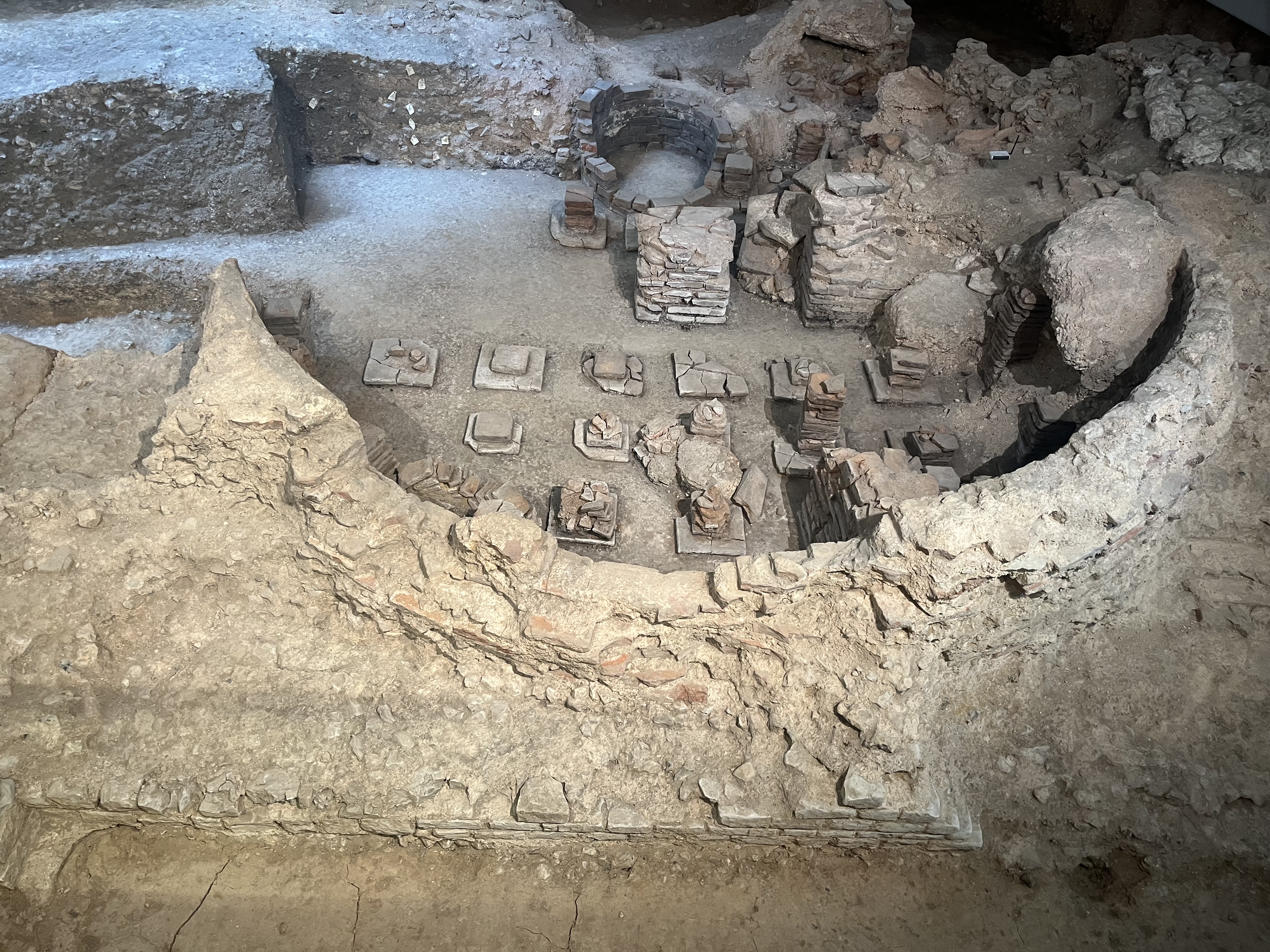
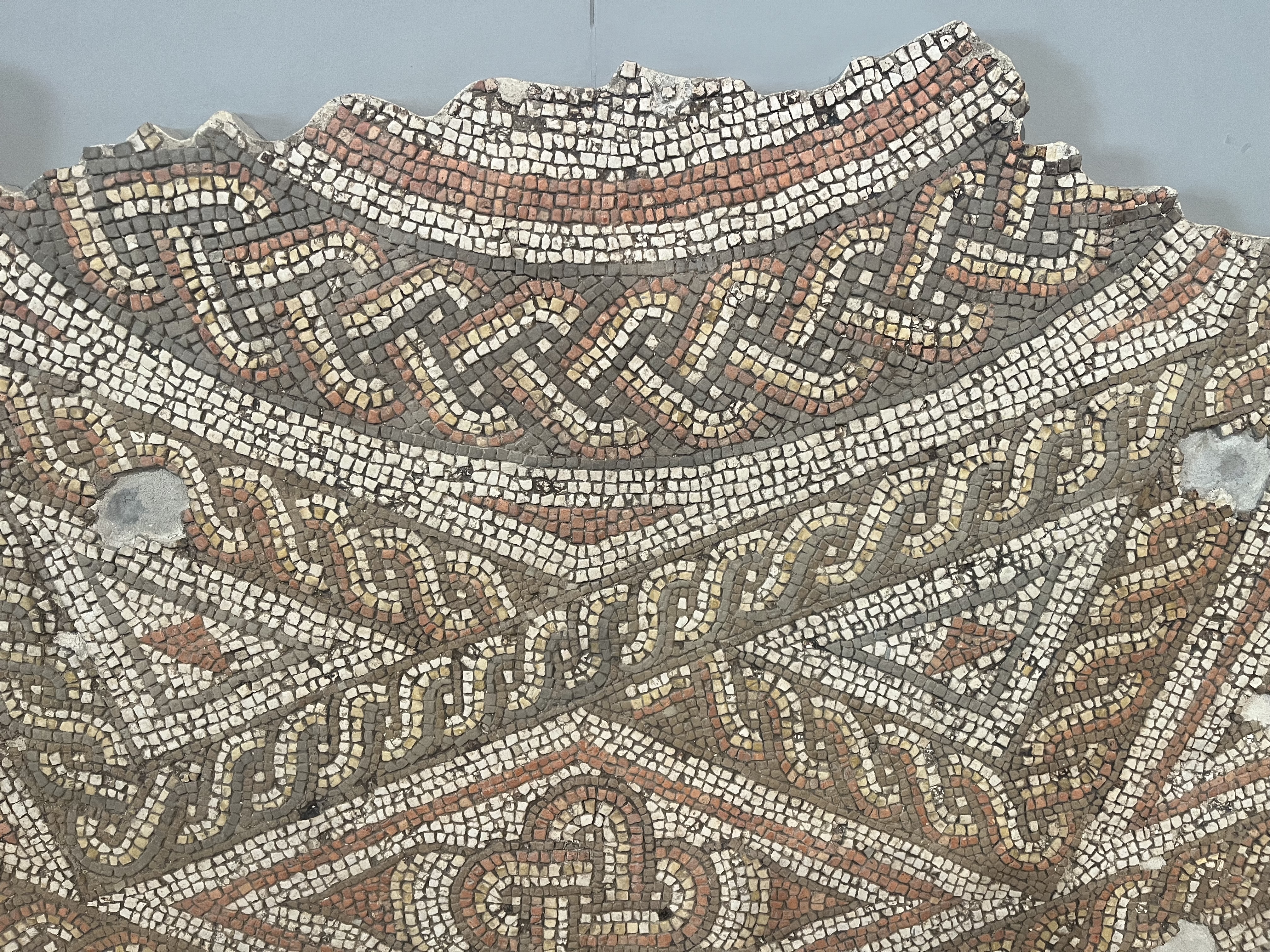
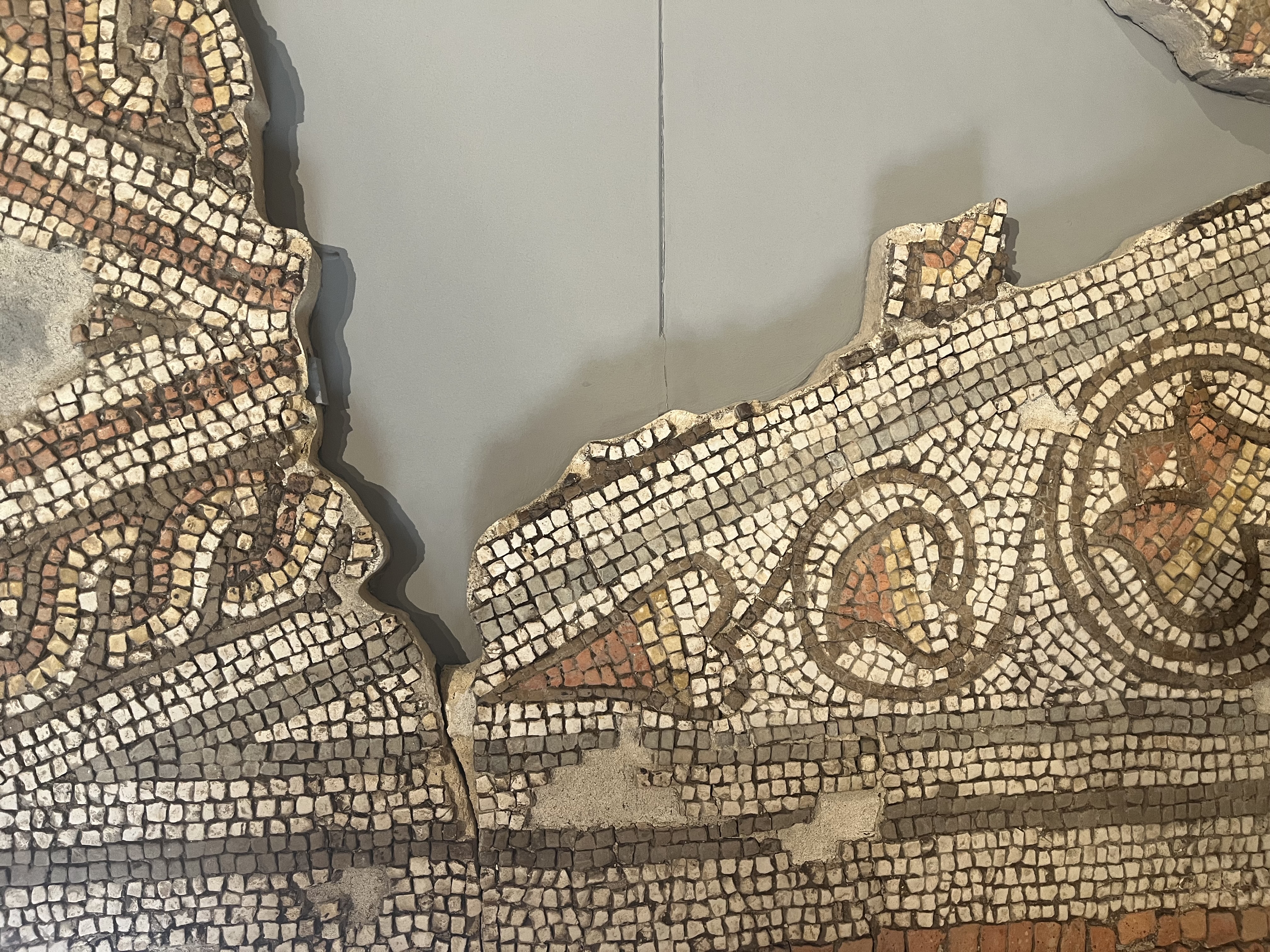
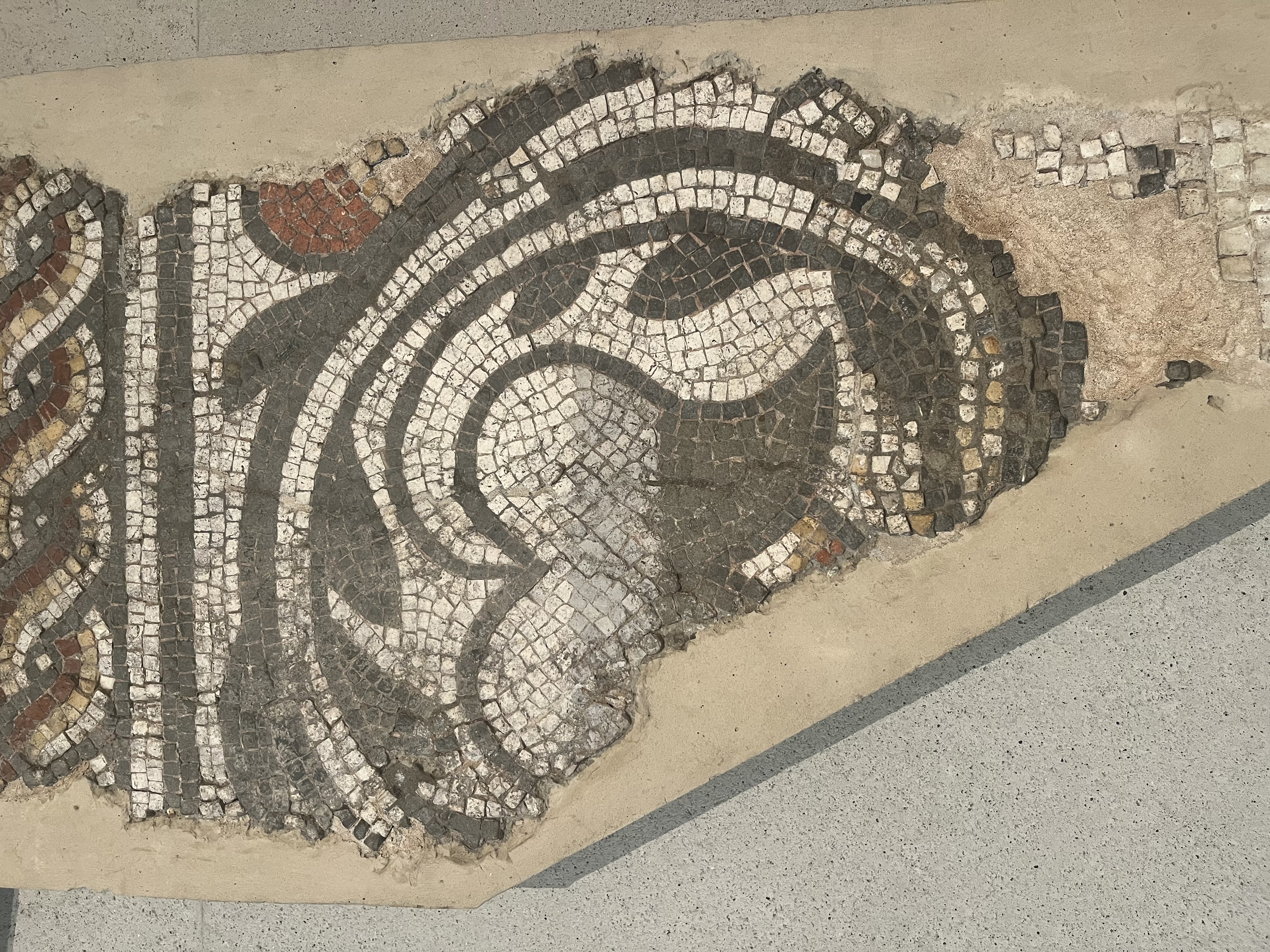
I started at The Novium, enjoying the Roman remains and especially the craftsmanship of the mosaics. Amazing to think of the people who laid them, walked on them, dug them out, preserved them, and now look at them.
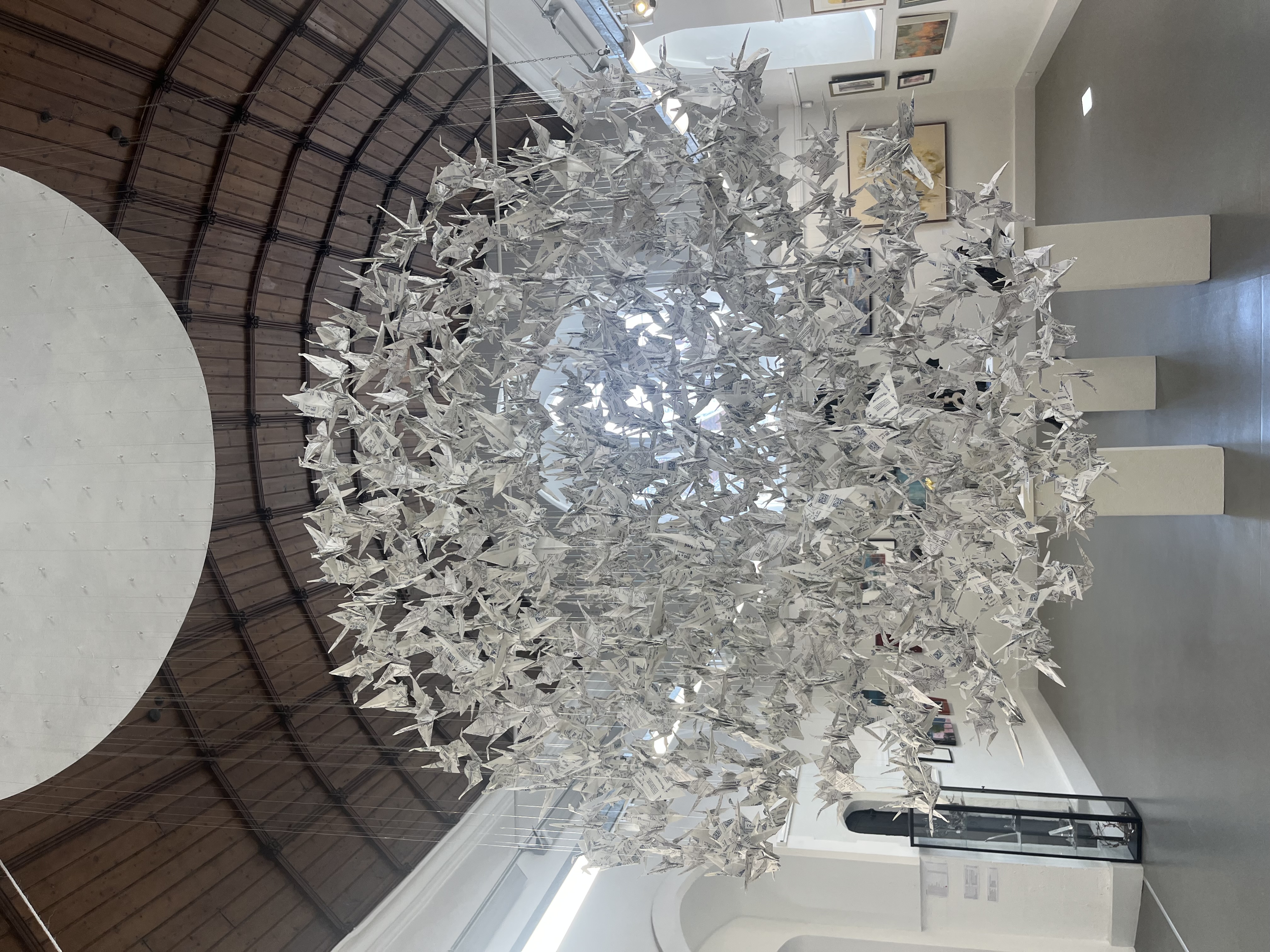
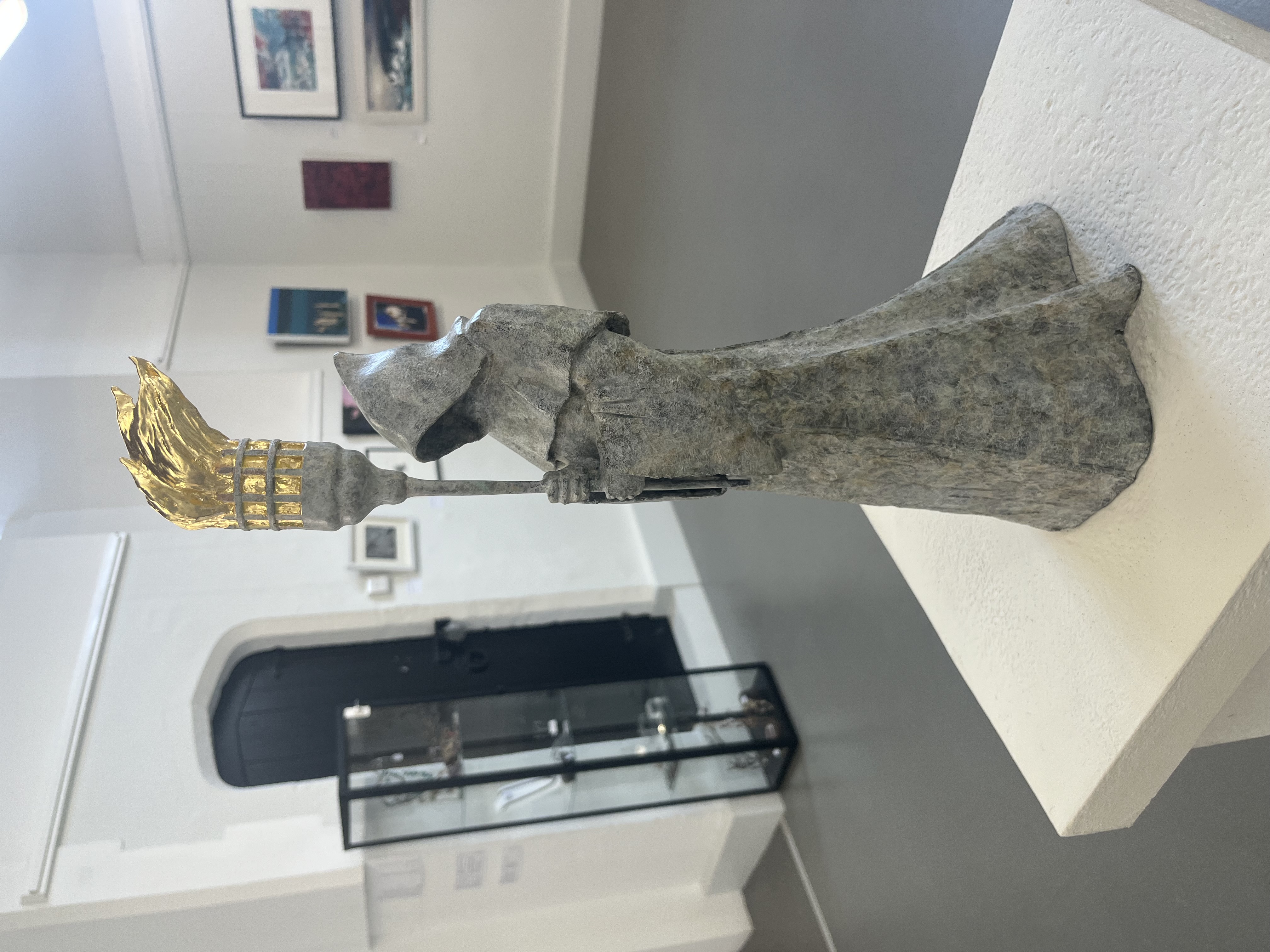
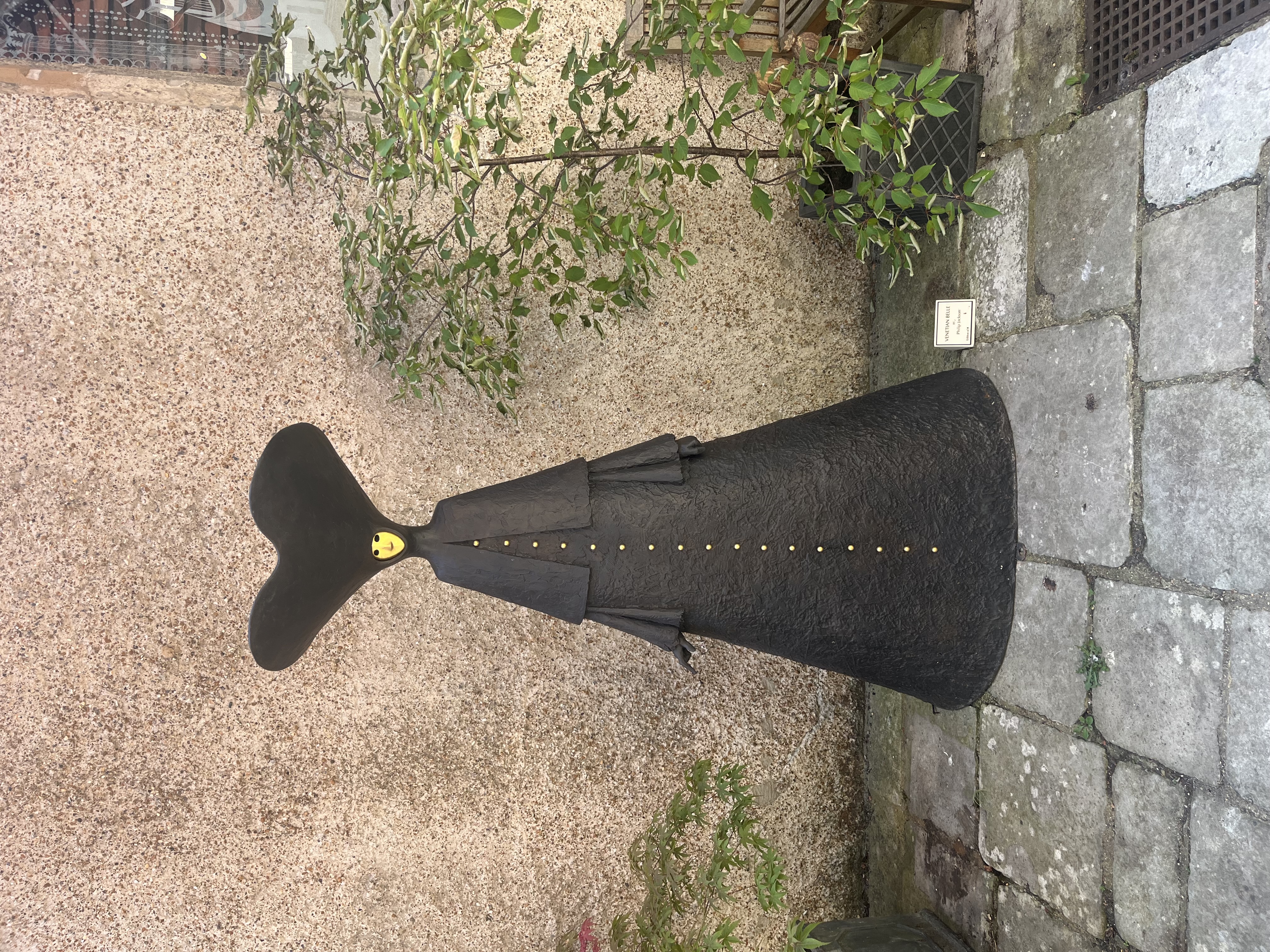
Next was Oxmarket Contemporary. I loved the space and the sense of calm, and spent some happy time with the exhibits.
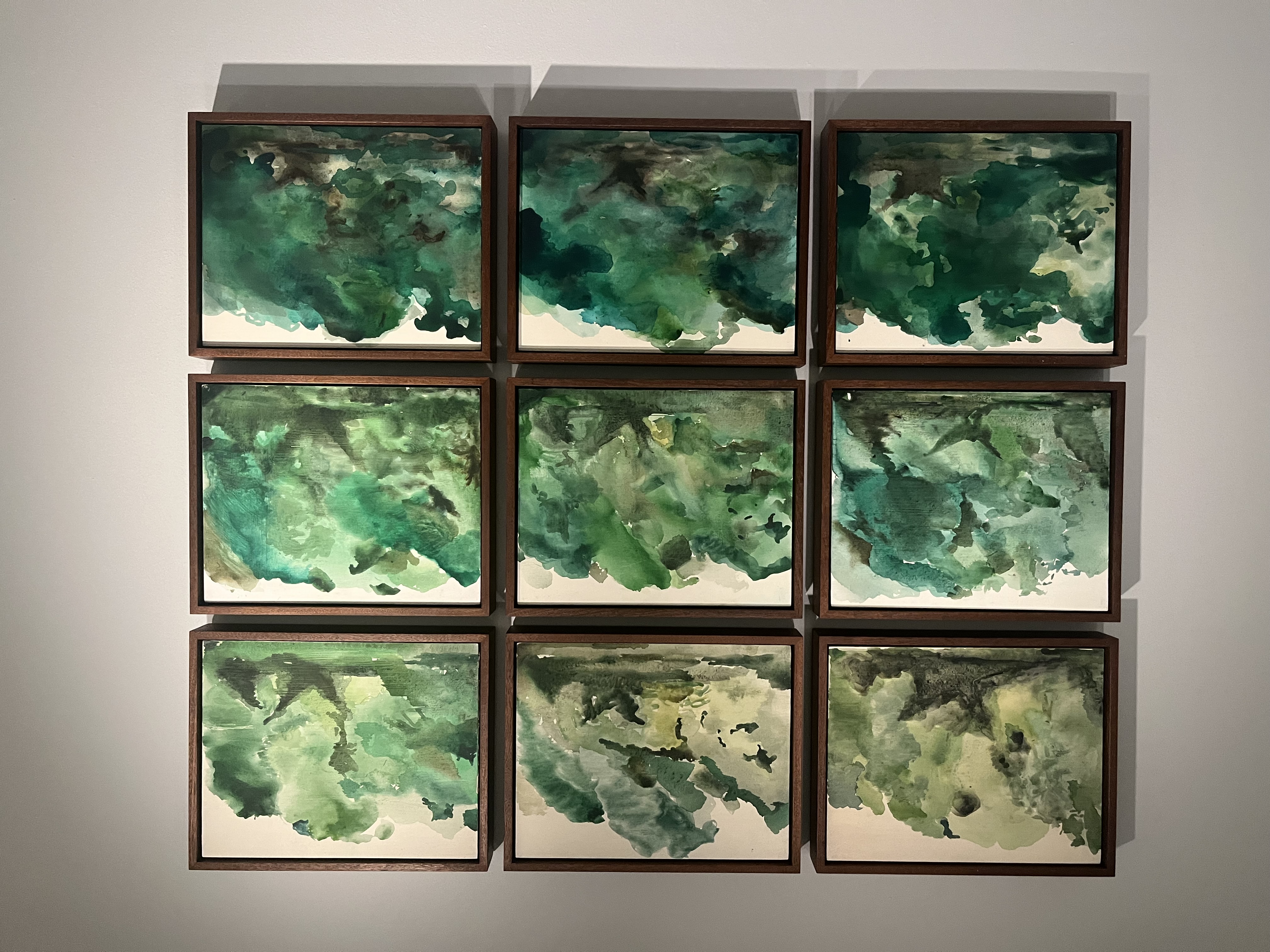
Then on to Pallant House Gallery for lunch and more art. I started with British Landscapes: A sense of place exhibition, which merged into Haroun Hayward: Path through Trees.
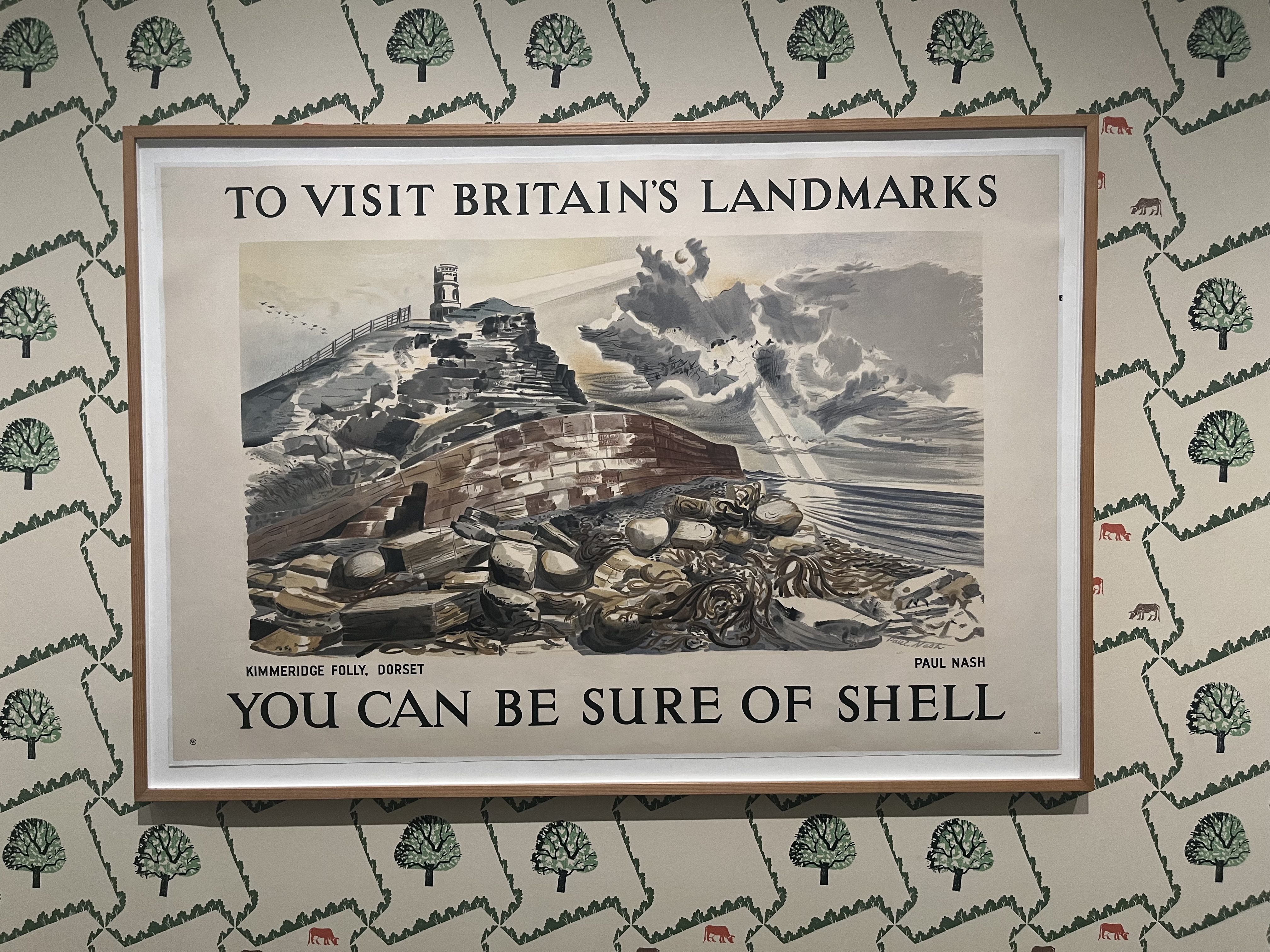
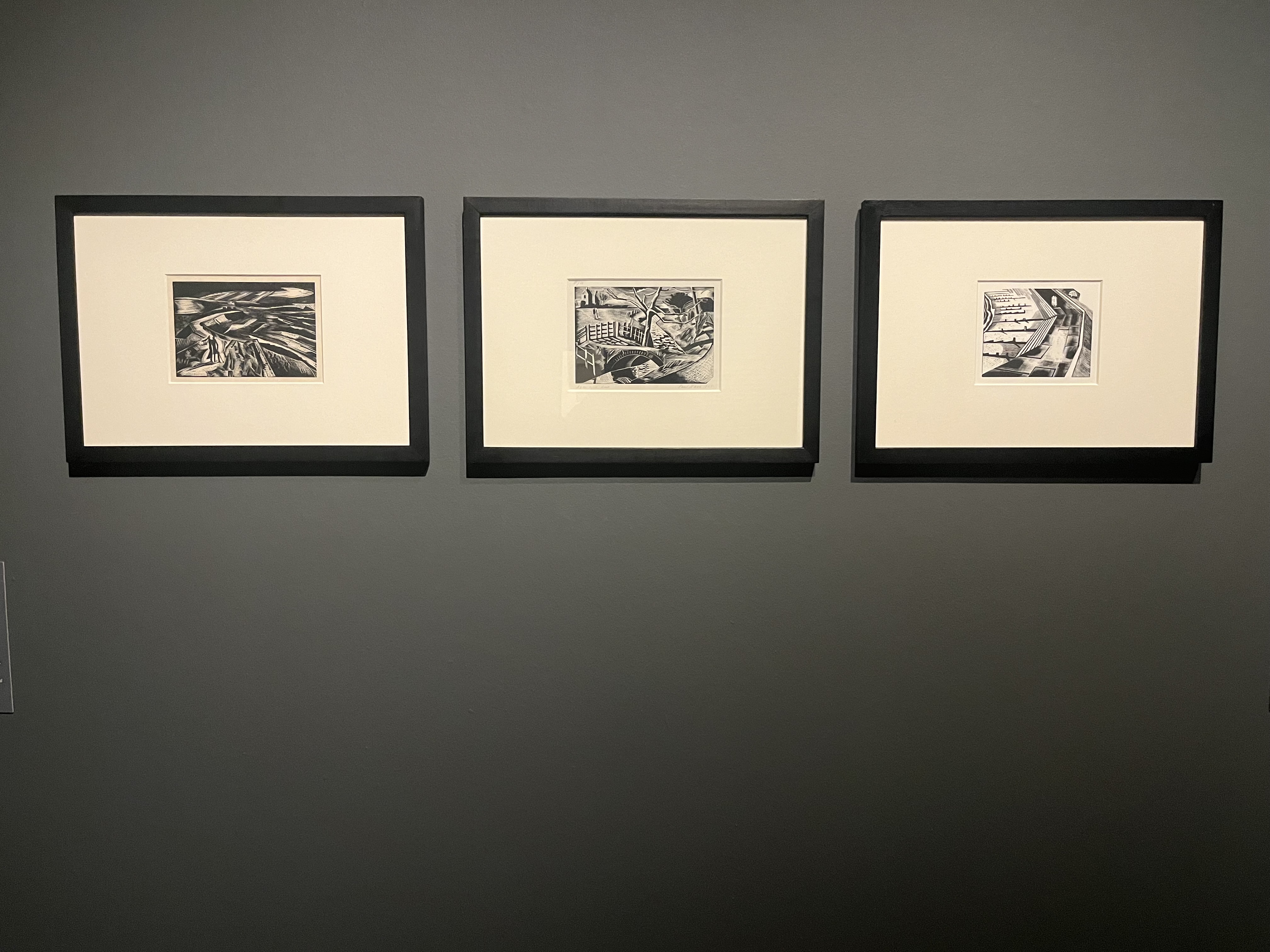
I was particularly taken with the wood engravings in A Sense of Place. I always seem to forget how much I enjoy them. Such intricate work, and often so very sharp.
My tangent of the day was war-related. It started with wondering what a camouflage artist was, then progressed to finding out more about the War Artists’ Advisory Committee. Ravillious provided an interesting link between the wood engravings, the war, and The Old Ways which I’ve recently finished reading, where his war career and sad death while on duty as a war artist are mentioned.
That thread led me back to Oxmarket too. A wall panel there explained that the gallery occupies a former church, damaged by bombing on 10th February 1943. Adrian Hill painted what the church looked like after it was hit, working from a photograph. He had been chosen as a war artist during the First World War and was the first artist commissioned by the Imperial War Museum - perhaps that experience meant he wasn’t averse to darker subjects. He is also widely considered to have founded art therapy, having coined the term after using art to recover from his own wartime experiences.
War artists followed me around all afternoon.
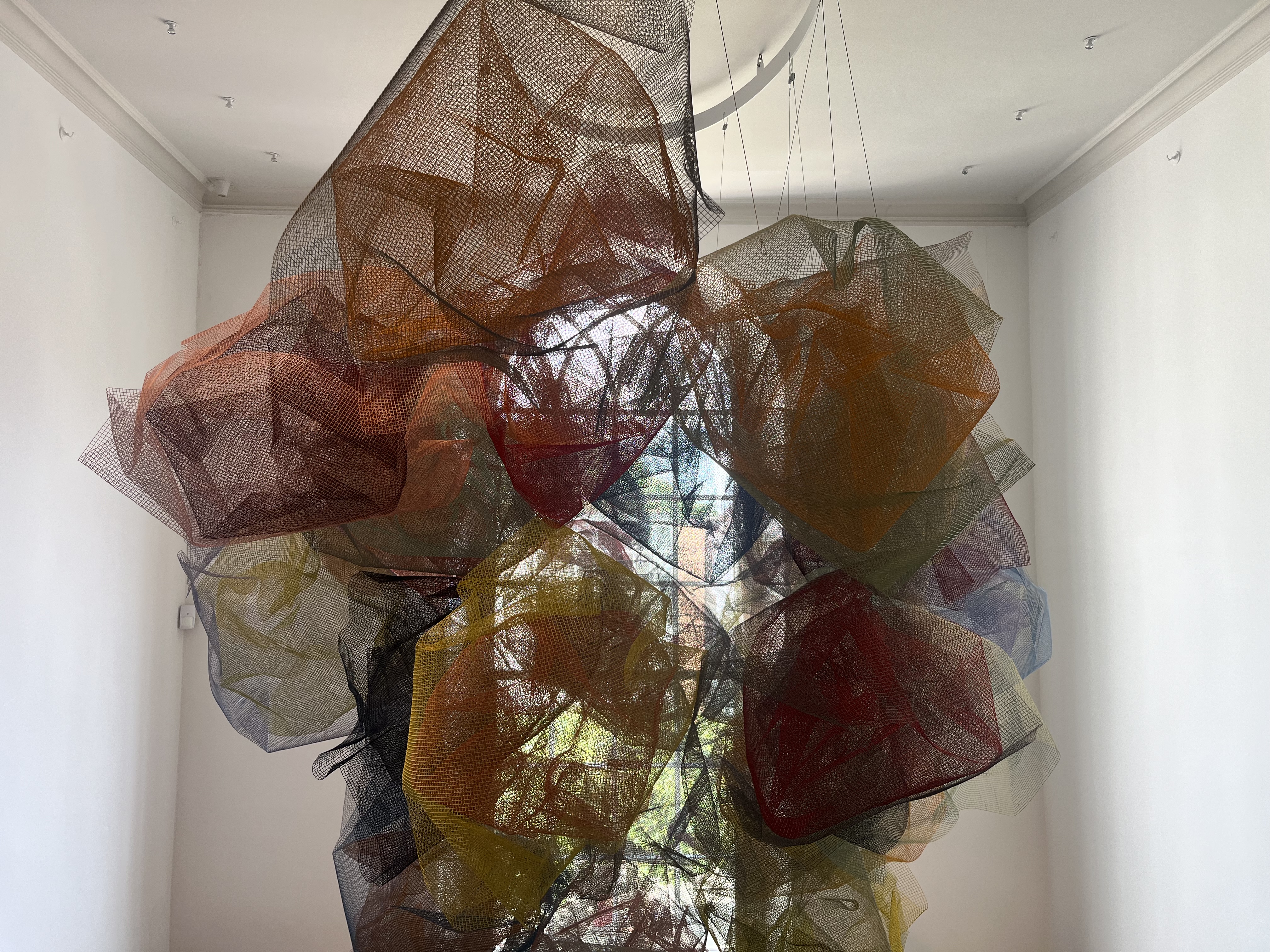
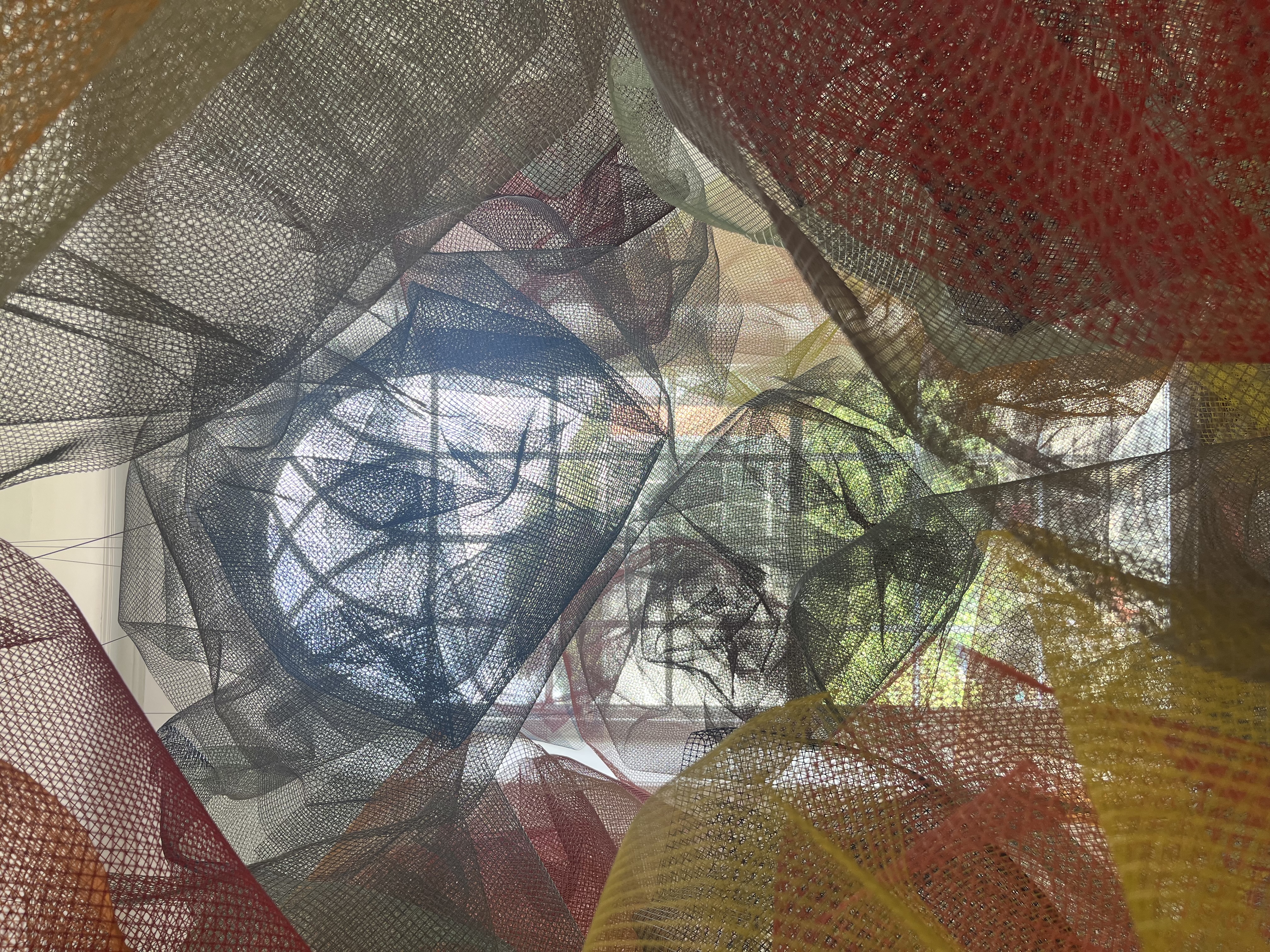
I also got to see Rana Begum: No.1367 Mesh as I wandered around the rest of the house.
Not the day I’d planned, but I made the most of it and saw plenty of art.